- Introduction
- Meet the Scottish Deerhound – The Gentle Giant of the Sighthound World
- Way #1: Exceptional Hunting Instincts and Athleticism
- Way #2: Calm and Gentle Temperament
- Way #3: Majestic Appearance and Unique Coat
- Way #4: Intelligent and Trainable
- Way #5: Loyalty and Family-Oriented Nature
- Way #6: Long Lifespan and Health Considerations
- Conclusion
- FAQs
Introduction
Scottish Deerhound is a highly magnificent and relaxed sighthound with a low profile temperament, and is reputed to be highly loyal with the potential to hunt very well. This breed has been said to be the type of animal every hunter and family would love to have as a company, and this is due to their capabilities, beauty, and smartness, thus classified as the friendly giant in the sighthound community.
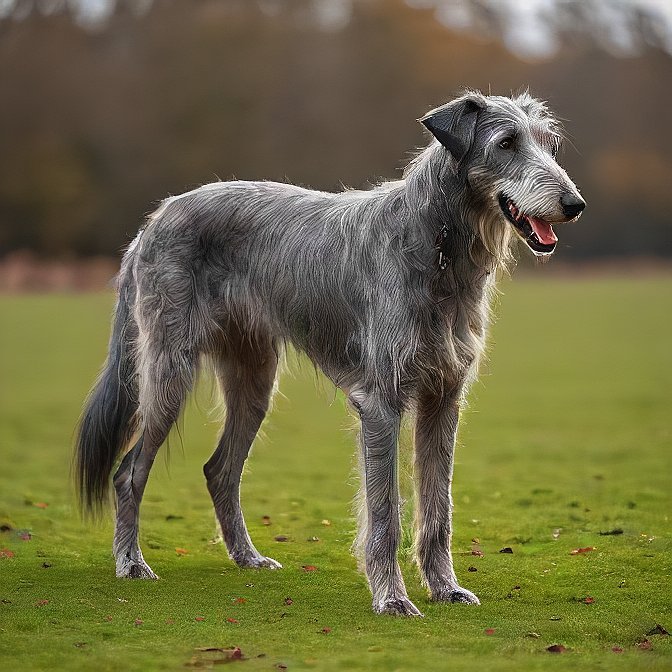
The Scottish Deerhound is a Scottish breed that was originally used to hunt red deer in hilly areas. Gradually, it has been recognized as not only a sporty and active animal, but also as a loving and peaceful creature, which is equally adapted to vigorous outdoor activities as to the quiet family life.
In this paper, we will discuss 6 reasons why the Scottish Deerhound is not just another sighthound. It will be everything about its noble looks and sweet nature, its loyalty, and versatility that you will find, and more as to why this breed is still appealing to dog lovers worldwide.
Meet the Scottish Deerhound – The Gentle Giant of the Sighthound World
Scottish Deerhound is a large and noble sighthound which is much milder and friendlier in nature. This kind of animal is a combination of elegance, might, and intelligence thus, it plays a very good companion in the field as well as at home hence; it is called the gentle giant.
Summary of its peaceable and pleasant Character.
Scottish Deerhounds are sort of tolerant, faithful, and affectionate. They also fit in the family; they keep to themselves inside and are watchful and vigorous outside. They are soft-tempered and thus very good with children and respectful to other pets.
Short History and Genesis in Scotland.
Scottish Deerhound was domesticated in Scotland and was made to hunt the red deer in the rough areas. It was quite powerful, quick, and an introduction, and therefore became an unquestioned companion in the hunt over the centuries.
How It Watched Its Name and Made Its Earnings as a Hunter and Family Member.
In addition to its hunting capabilities, the Scottish Deerhound has been very popular due to its faithfulness, docility, and versatility. It is nowadays appreciated as an excellent hunter and a loving family member, and that grace and gracefulness may be combined with kindness and calmness.
Way #1: Exceptional Hunting Instincts and Athleticism
The Scottish Deerhound is a breed of sighthound that has been developed to run fast, run long, and with precision.
- Tracking and Chasing: Natural Sighthound Tracking and Chasing.
- Having good vision and a powerful drive to hunt game, the Deerhounds are good primary predators and can easily see and chase game at a long distance, thus being considered as one of the best sighthounds in history.
- Flexibility in changing environmental and Climate conditions.
- The breed is very agile and manages its environment with great confidence, whether it is in the Scottish Highlands, the forest, or in open fields.
- Stamina and Endurance In Comparison to Other Sighthounds.
- Scottish Deerhounds have extraordinary stamina, which enables them to be extremely fast and cover long distances, which other sighthounds do not have an advantage since they are in favor of speeding in short bursts.
- Role in the Old Deer Hunting and the New one.
- In the past, they were essential in hunting deer. Nowadays, they are presented in running, agility work, and outdoor escapades, although they still possess the same level of calmness as is required of a companion dog.
Check Out: Slovakian Roughhaired Hound: 5 Powerful Reasons This Tough and Loyal Dog Deserves Attention.
Way #2: Calm and Gentle Temperament
The Scottish Deerhound is regarded as a calm and composed high-energy sighthound (as opposed to some).
- Patient, Intimate, and True Devotion.
- They are so patient and kind, and they strongly bond with their masters and relatives in life long relationships. They are good friends indoors and out, as they are very affectionate.
- Communicating with Children and Adults.
- Scottish Deerhounds are friendly to children, and they play with them but are keen to their size. They are also very cordial and respectful to adults.
- Get along with Other Pets.
- They get along with other pets and dogs well with appropriate socialization, which further makes them appropriate family friendly pets.
Way #3: Majestic Appearance and Unique Coat
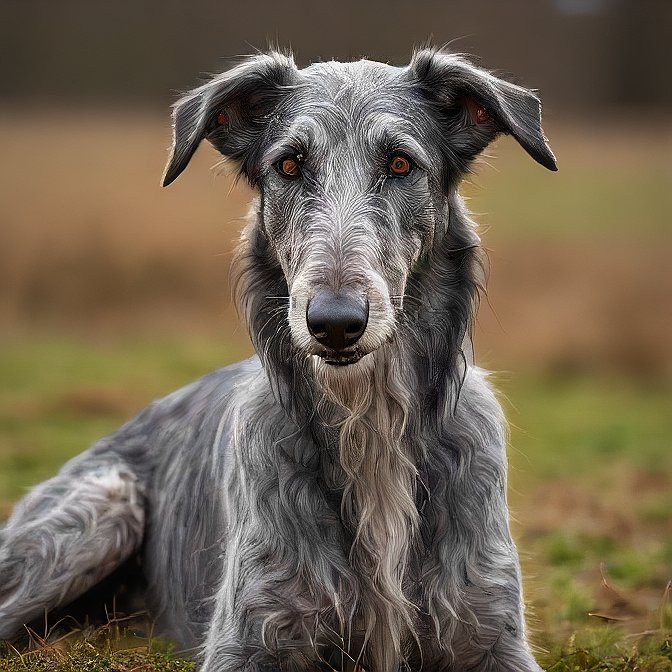
The grandeur, which is the hallmark of the Scottish Deerhound, coupled with the coat, helps to bring nobleness.
- Account of Their Hairy, Hard Skin and Muscular Build.
- Their fur is rugged and coarse, which helps to shield them against the weather in the hunt and lends them a very rugged and proud appearance. They are lean and muscular, which focuses on elegance and strength.
- Coat Colors and Grooming Requirements.
- The deerhounds are normally of gray, brindle, fawn, or red color. The coat also needs a regular brush to keep it in its natural state in terms of texture and the shedding off of debris, whereas trimming it to a minimum helps in retaining its innate defenses.
- The way the Coat Safeguards Them Outdoors.
- The coarse coat also protects the dog against the rough weather, thorns, and rugged environment, thus suitable for field and outdoor work.
- Their Vanity, Noble and Dignified Presence.
- Scottish Deerhounds with their big stature, expressive eyes, and their poised posture will always have an attention wherever they go, a characteristic of their ancestry as hunters and their nature as gentle giants.
Way #4: Intelligent and Trainable
The Scottish Deerhound is not a nobler and quieter animal, but rather an intelligent and trainable dog, as well as a rewarding breed to both the experienced and the first time large dog owners.
- Fast Learning and Problem-Solving Skills.
- Scottish Deerhounds respond to new commands quite fast and are flexible to new conditions. Their problem-solving skills do come in handy, particularly when they go outside and when they go hunting.
- Positive methods of reinforcement training.
- The best methods of positive reinforcement with this breed are gentle, which include praise, treats, and play. The severity of the approaches is not necessary and can impact their sensitive character.
- Obedience, Agility, and Therapy Role Success.
- Although they are very successful in hunting, they are also good in obedience training, agility training, and even in therapy or emotional support work, thus demonstrating their diversity.
- Large Dog Owner- First-Time.
- They are big, yet their gentleness and tendency to please others can make them an appropriate breed in case of first-time owners of large dogs who are ready to go running, engage in socialization, and undergo a course of basic training.
Way #5: Loyalty and Family-Oriented Nature
The Deerhound of Scotland is among the most attractive animals, which is very loyal and devoted to members of the family.
- Strong attachment to the owners and family members.
- They are friendly and establish deep, long-term relationships with their people, companions, and sources of emotional support.
- Sheltering and Nurturing Manner.
- Although they are peaceful, Deerhounds are naturally vigilant and protective and keep a close and quiet gaze over their family.
- Association with Other Pets and Strangers.
- When they are adequately socialized, they mingle well with fellow dogs, pets, and even strangers, and are therefore flexible to different home setups.
- Why They Succeed as Family Comforters as well as Hunters.
- Their loyalty, calmness, and modest nature enable them to do excellent work as pets of the family and as good hunting companions, as well as combining love with sports ability.
Way #6: Long Lifespan and Health Considerations
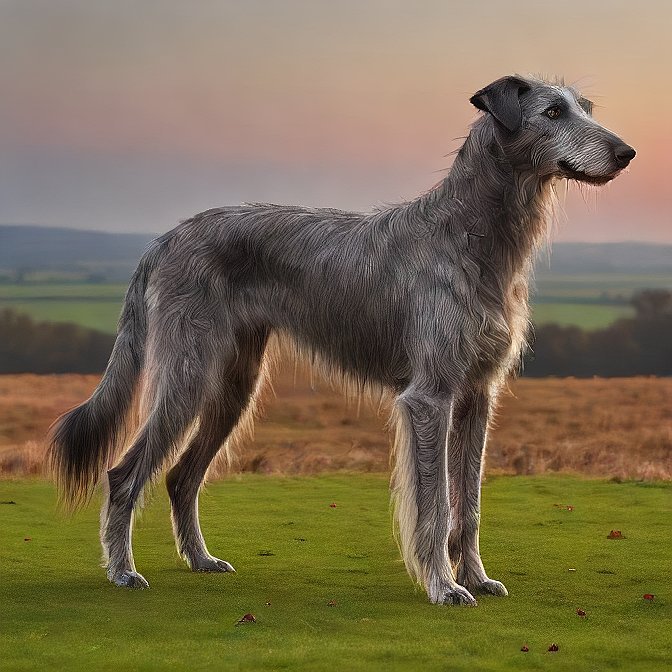
The knowledge of the health requirements of a Scottish Deerhound and its life-span is important to a potential owner.
- Life Expectancy and Averages of Health Problems.
- The lifespan of the Scottish Deerhounds is 811 years. The health problems that are most widespread are:
- CVD (dilated cardiomyopathy).
- Bloat (gastric torsion)
- Hip dysplasia and additional difficulties with joints.
- The lifespan of the Scottish Deerhounds is 811 years. The health problems that are most widespread are:
- Vaccination and Routine Veterinary Examination.
- They need to maintain good health and detect issues in the initial stages by taking the dog to the vet, immunizing him, and doing preventive maintenance.
- Smart Ideas on Living Longer.
- Moderate daily physical activity to aid in heart condition.
- Maintain the weight so that joints are not strained.
- Be on the lookout of bad behavior, sleepiness, or loss of appetite.
- Importance of Diet and Mental and Physical Exercises.
- Deerhounds are healthy, happy, and well-behaved during their lifespan with the help of a balanced diet, enough exercise, and mental activities.
Conclusion
Scottish Deerhound is a special sighthound, s/he has its quiet and calm, loyal, intelligent versatile character. They are great sporting companions and pets to their families due to their hunting prowess, peaceful nature, and size.
Having these details about their exercise requirements and grooming needs, their health aspects, the potential owners would be able to provide a comfortable habitat where this breed would thrive.
Scottish Deerhound is a most excellent one that brings the family, hunters, or outdoor people with good company and sophistication simultaneously.
For more info: Click Here.
FAQs
1. Are Deerhounds in Glasgow related to the children and other pets?
Yes! They are affectionate, self-composed, and tender, and therefore the most suitable family dogs. The ability to socialize makes them easily adjust to other pets, and they co-exist harmoniously with them.
2. What is the amount of exercise that a Scottish Deerhound requires?
The Scottish Deerhounds require moderate training each day, in the form of walks or play, or safe off leash running. It is not that their bodies are stagnant, nor their minds; even when they are home, they are not tense, but as they go out, they would much prefer to be busy.
3. Therefore, does the Scottish Deerhound work as the right breed when it comes to first-time, large dog owners?
Yes, provided that the owner can make a promise to exercise, groom, train, and socialize. They do not present a hard nut to crack; their docile and intelligent character cannot be hard to deal with, even to the novice in the large breeds.