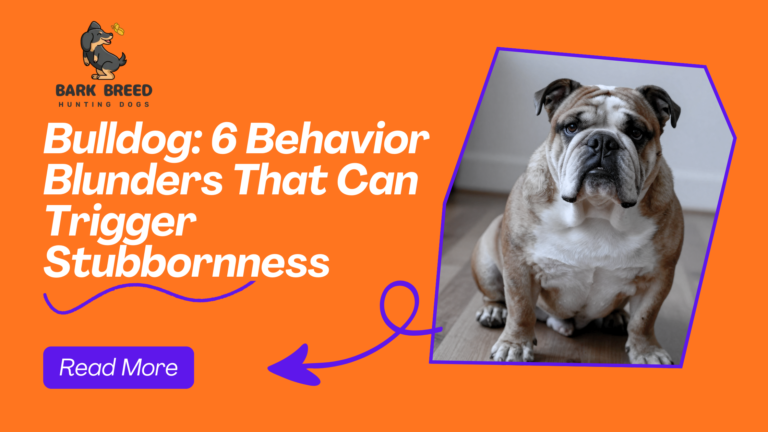
- Introduction: Why Bulldogs Are Lovable—but Sometimes Stubborn
- 1. Lack of Early Socialization – The Root of Many Bulldog Problems
- 2. Over-Treating and Spoiling Your Bulldog
- 3. Inconsistent Training Leads to Confusion
- 4. Insufficient Exercise – A Tired Bulldog Is a Happy Bulldog
- 5. Neglecting Boundaries and Leadership
- 6. Using Harsh Discipline or Loud Scolding
- Conclusion
- FAQs
Introduction: Why Bulldogs Are Lovable—but Sometimes Stubborn
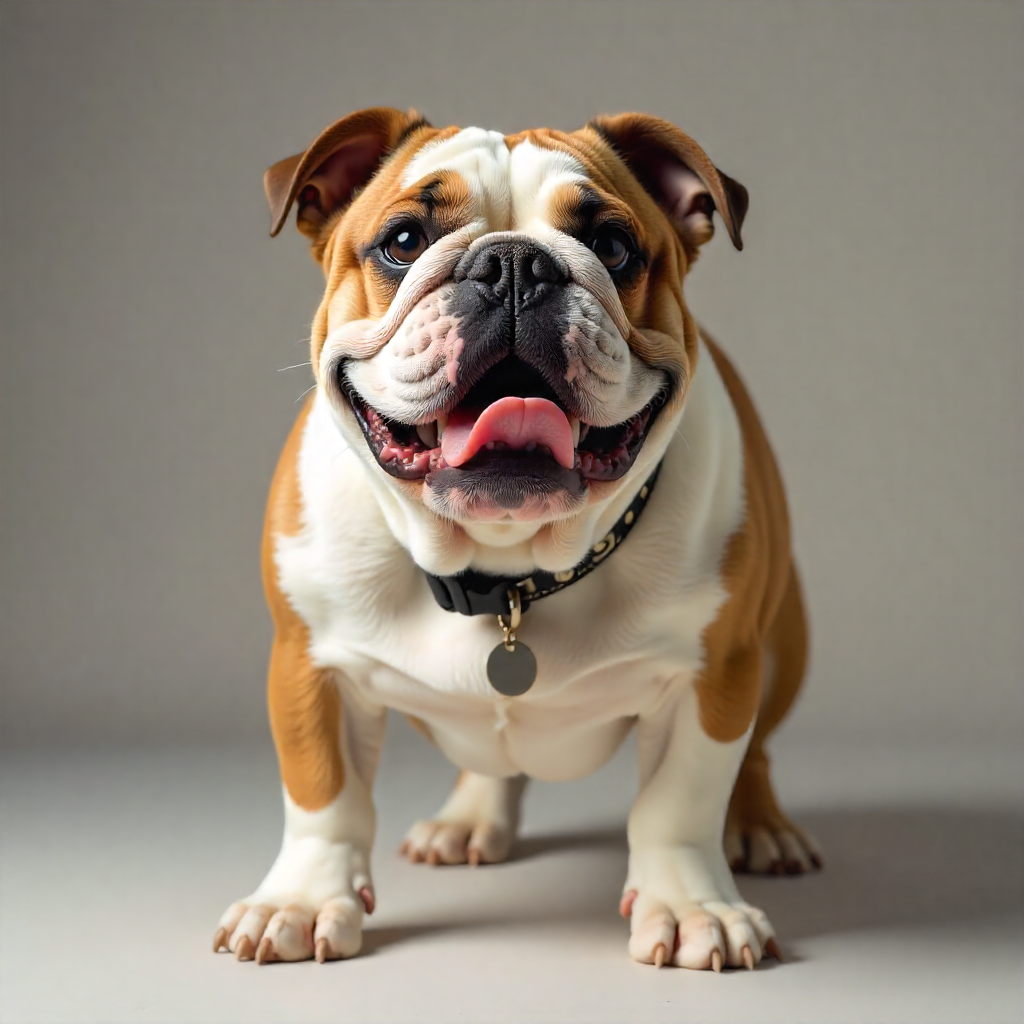
Bulldog is known for their short stature, wrinkled appearance, and love at first sight faithfulness. They are kind, loving and in most cases sarcastic in their indolent, but tenacious way of life. But all Bulldog owners are not ignorant of one fact, and that is, that these dogs are stubborn. It can be not wanting to take a step when you are walking, not wanting to obey, or the Bulldogs can simply give you the not today look; they all know just how to make you impatient.
There is no such thing as stubborn behavior appearing out of the blue, however. In the majority of cases, it is caused by the mere errors that the owners do not even notice that they are committing. The knowledge of why one behaves this way is the initial stage of having a companion who is cooperative and well mannered. This blog will dissect six behavioral blunders that usually lead a Bulldog to be even more stubborn, and how you could correct them through discipline, patience, and love.
1. Lack of Early Socialization – The Root of Many Bulldog Problems
Bulldogs are also highly affectionate, though unless their early stages of growth are exposed to social settings, they might end up developing fear, anxiety, or shyness toward new experiences. An unsocialized Bulldog will seem stubborn as he refuses to obey orders and socialize. This is not a willed disobedience, and it is usually a response to foreign conditions.
How isolation breeds fear and stubborn reactions
Unless Bulldogs are exposed to different sounds, different people, and different places at a tender age, they might find it hard to adapt. The unknown is scary, and they either stand paralysed or resist orders and withdraw. Insecurity is often used as the cause of what might be thought to be stubbornness.
Ideal socialization timeline for Bulldog puppies
The most effective period of socialization is 8-16 weeks- old when the puppies are naturally inquisitive and eager to know. Nevertheless, Bulldogs of older age can still be trained with gradual exposure, provided that the process is gradual and continuous.
Easy ways to expose them to people, pets, and environments
- Arrange playdates with calm, friendly dogs
- Visit parks, pet-friendly stores, and new walking routes
- Allow them to hear different sounds like traffic and household noises
- Invite guests over to build comfort with unfamiliar people
- Introduce them to different surfaces such as grass, tiles, or sand
Small regular exposures help build confidence and reduce stubborn tendencies.
Check Out: Scottish Deerhound: 6 Ways This Calm and Loyal Dog Stands Out from Other Sighthounds.
2. Over-Treating and Spoiling Your Bulldog
Treats may be very effective in training; however, when there are excessive treats, they may promote demanding behavior. A bulldog that is constantly rewarded can be taught to obey only when there is food in place. Snacking, pay great attention, whining, and spoiling, and teach them to be stubborn, because it benefits them.
Why too many treats encourage demanding behavior
Food motivates bulldogs, and as soon as they find out that the reward for obeying is treats, they will start negotiating. Disobedience or non-obedience, to move, to demand, are habit-forming habits since rewards are not constant.
Healthy reward routines to prevent stubbornness
- Offer treats only when commands are obeyed
- Use smaller portions to avoid overfeeding
- Mix food rewards with verbal praise and affection
- Gradually reduce treat frequency as training progresses
Balancing affection with structure
Express affection, but do not overstep. Bulldogs do well with affection coupled with expectations. Structure makes them more familiar with the rules, thereby becoming more compliant in the absence of rewards.
3. Inconsistent Training Leads to Confusion

Bulldogs are responsive to strict direction. The undefined rules cause confusion daily or even among the members of the family, and hence mixed messages ultimately result in frustration and obstinate reactions, not because Bulldogs are defiant in nature but because they do not get what is expected of them fully.
Example scenarios where mixed messages cause defiance
- Sometimes allowing couch access and other times forbidding it
- Using different command words for the same action
- Family members rewarding behaviors others discourage
- Expecting obedience without consistent reinforcement
A Bulldog that receives unclear signals cannot follow rules confidently.
Simple consistent routines Bulldog owners can follow
- Use the same verbal commands every time
- Keep training sessions short but regular
- Establish routines for meals, walks, and playtime
- Ensure every household member enforces the same rules
Commands every Bulldog should know early
Begin with foundational commands:
- Sit
- Stay
- Come
- Down
- Leave it
A strong foundation promotes better obedience and reduces stubborn incidents.
4. Insufficient Exercise – A Tired Bulldog Is a Happy Bulldog
It is believed that Bulldogs do not need much exercise because of their heavy structure; however, the absence of it may cause frustration, boredom, and a lack of behavioral change. Bulldogs do not require long-run activities, but they require regular physical and intellectual activities to remain balanced and amenable to cooperation.
Bulldogs need mental stimulation more than intense workouts
Since Bulldogs do not take long to overheat, small activities should be taken in short bursts. Intellectual entertainment, such as a game of puzzles, or a regimen of obedience, or even a bit of sniffing sometimes, is more likely to exhaust their energies than a brisk stroll.
Games and activities perfect for their build
- Short, controlled walks twice a day
- Tug-of-war (gentle and supervised)
- Food puzzles or slow-feeder bowls
- Hide-and-seek scent games
- Short training sessions using commands
Activities like these burn energy in a safe and stimulating way.
How boredom translates to stubborn behavior
When bored, the Bulldog does not do what he is told; he chews up the furniture, refuses to move, or even not to move at all. They are less difficult to train by exercising, they are more responsive, calm, and less difficult to train as the energy is channeled positively.
5. Neglecting Boundaries and Leadership
Bulldogs could appear to be carefree, yet they can seize power very fast in the case of no leadership. Boundaries are not established, and they start pushing boundaries, and that usually comes out as stubbornness or selective obedience. Respect and trust are created through clear guidance.
Why do Bulldogs test authority if leadership is unclear
Your Bulldog won’t have a structure, and that is his/her own choice to make, be it pulling the leash, jumping over the furniture, or not listening. Dogs have a natural predisposition to follow confident leaders, and Bulldogs are not an exception.
Establishing calm, firm guidance
Leadership does not imply being cruel; it implies being constant and assured. Talk in a calm voice, stick to orders, and also reward good behaviour. Bulldogs need the patience and clarity of their owners to lead the pack.
How to set boundaries respectfully
- Decide household rules and stick to them
- Do not reward pushy behavior like barking for treats
- Teach them to wait for meals, walks, or attention
- Encourage calm behavior before giving praise or rewards
Respectful boundaries show your Bulldog what is allowed and what isn’t, removing confusion that leads to stubbornness.
6. Using Harsh Discipline or Loud Scolding
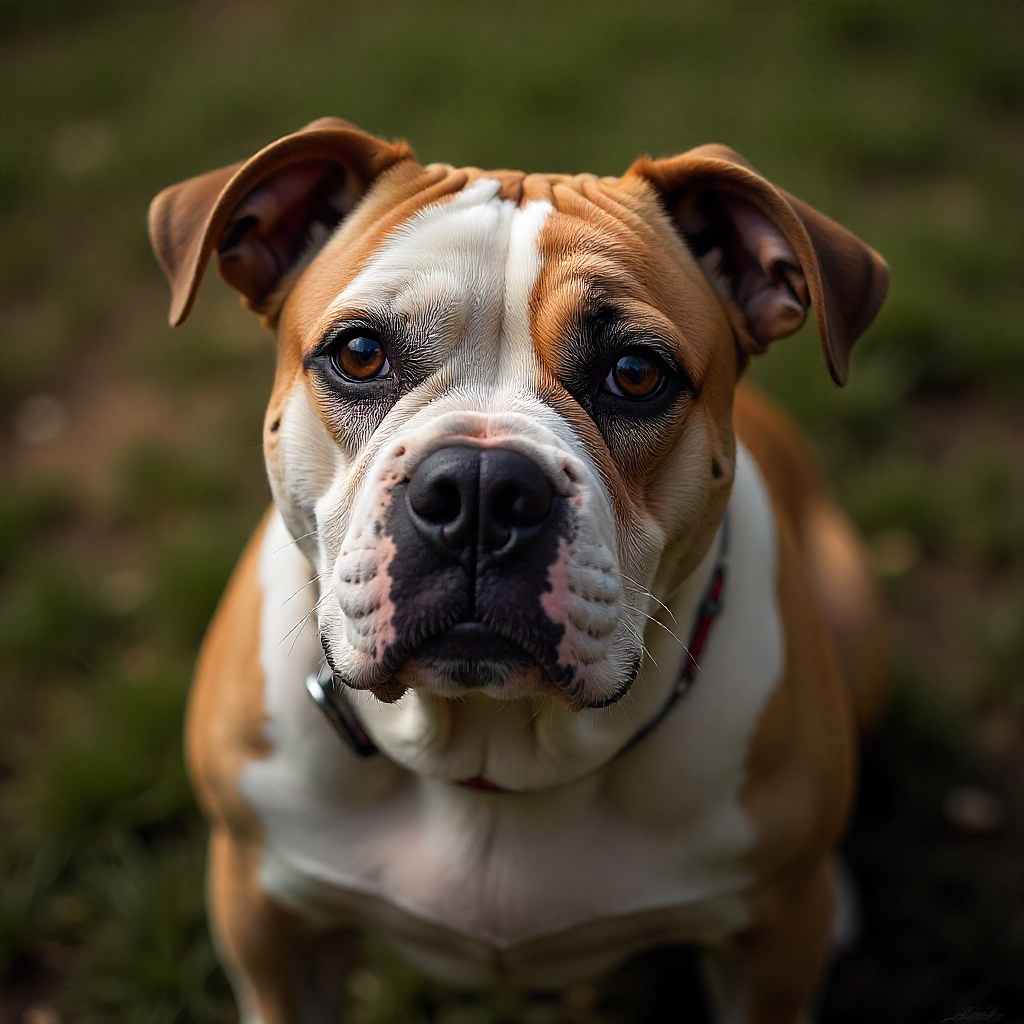
Bulldogs are also sensitive, and yelling and punishing them will close the channel rather than enhance behavior. They are unable to learn when they are threatened or scared, and can even grow more stubborn. Light direction will give improved outcomes.
Bulldogs shut down with intimidation—not learning
They are taught to be afraid of the situation as well as to know what is wrong. Training that is based on fear destroys trust and may produce anxiety or defiance.
Positive reinforcement methods that actually work
- Reward good behavior immediately
- Use treats, praise, or toys as motivation
- Redirect unwanted behavior instead of punishing it
- Stay patient, calm, and consistent
Reinforcement teaches your Bulldog what to do, instead of just what not to do.
Example correction techniques owners should use instead
- Say “no” or “leave it” firmly but quietly
- Ignore attention-seeking behavior until calm
- Provide an alternative task, like sit or stay
- Use time-outs from play when behavior becomes excessive
Corrections should guide, not intimidate. When Bulldogs feel safe and guided rather than punished, they respond more willingly.
Conclusion
Bulldogs do not usually have a stubborn behavior due to their defiance, but because of the way they are brought up, trained, and handled. Through early training, equal training, appropriate exercise, and regular leadership, your Bulldog may be detected to be tranquil, peaceful to work with, and more manageable. Instead of inflicting severe penalties, reinforcement (or positive ones) helps to gain trust and improve the bond.
Having known what may lead to stubbornness and thinking hard about how to alter it, you precondition a better and more obedient future for your Bulldog. A well trained Bulldog is not just a pet; he is a loving creature that can love to prosper when given patience, order, and love.
For more info: Click Here.
FAQs
1. Are Bulldogs obstinate creatures?
Bulldogs are, indeed, regarded as strong-willed animals, and obstinacy can be pre-determined by the manner of their education, the process of socialization, and everyday experiences. By giving constant direction/praise, most of the Bulldogs can respond well to orders.
2. What kind of exercise should a Bulldog have?
The common walking routines of bulldogs would be two brief walks in a day, and short games or brain exercises. They do not need vigorous exercise, but some movement is necessary to avoid that stubbornness as a result of boredom.
3. How can Bulldogs best be trained?
Positive reinforcement is the most appropriate. The good behavior should be rewarded with treats, praise, or toys, and harsh discipline should be avoided. Regular, short training sessions with some expectations will help Bulldogs to learn quickly and willingly.