Introduction
The Border Collie is regarded as one of the smartest and most active breeds of dog in the world. They are wonderful companions and have the advantage of being fast in thought, anxious to get to work, and tireless in their efforts, such as when their needs are well comprehended. Most of the first-time owners get attracted by their shiny eyes and their playfulness, only to be consumed by their Border Collies being restless, demanding, or too hyper.

Hyperactivity with Border Collies is not necessarily bad behavior, but it usually comes as a consequence of training errors or a lack of physical and mental requirements. The good news? It can be avoided with the appropriate approach. This guide will also point out the 5 training traps that happen to contribute to hyperactive behavior without your intention and how you can prevent these traps to ensure your Border Collie is brought to be a relaxed and well-balanced dog.
1. Underestimating Border Collie Energy Levels
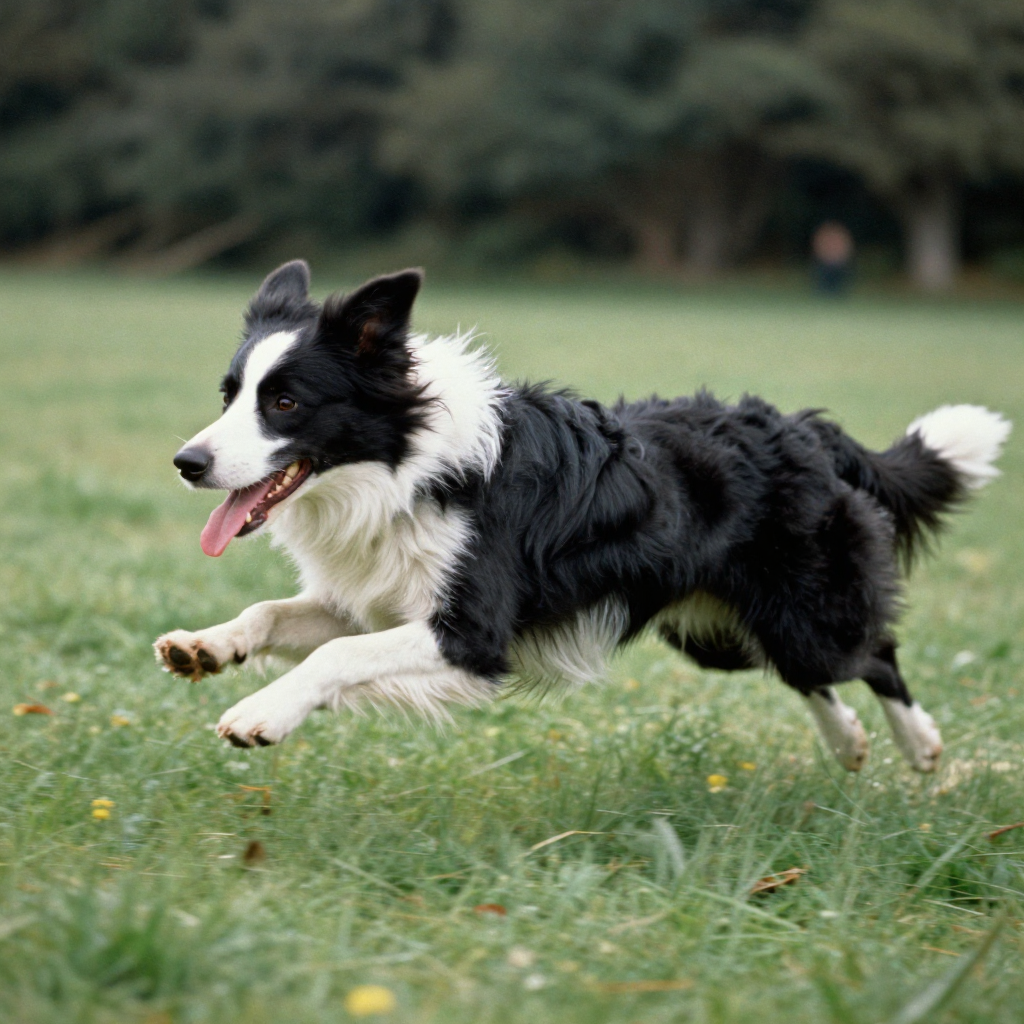
Border Collies are created to herd together, i. e. they are constructed to spend much of their day on the move running around, thinking, and decision making. A Border Collie does not tire like other breeds that are rather relaxed in nature, with a stroll and a quick game of fetch. In cases when these genius pups are made to believe that standard dog workout routines are sufficient, the dogs tend to become frustrated as well as energy-starved.
Daily Exercise Recommendation: An athletic Border Collie is at least 1.5 to 2 hours daily of exercise, and may be divided into exercises of chosen walks, running, or interactive play games like frisbee or agility training. It is not enough to allow them to run in the yard; they need their energy directed somewhere.
Signs Your Border Collie Is Under-Stimulated:
- Constant pacing or restlessness indoors
- Excessive barking or attention-seeking
- Zoomies that seem never-ending
- Chewing furniture, digging, or destructive behavior
- Hyperreactivity to noises, people, or movement
If you notice these behaviors, it may not be “bad behavior” — your Border Collie might just be bored and overflowing with energy.
2. Lack of Mental Stimulation: Brains Need Work Too
Flatter Collies do not simply require getting exercise, they require work. One thing that they possess to their advantage is their smartness, and they are not subjected to any form of mental challenge, hence they can use this mental prowess to engage in a vice that is not desired. An unchallenged Border Collie will become hyper or anxious or even develop obsessive habits such as following up shadows or flocking children.
Great Mental Enrichment Activities:
- Puzzle toys and escalator games that can dispense treats.
- Scent work: concealing treat in the residence or the garden.
- Clicker Training & new tricks practice
- DIY obstacle courses or indoor agility setups
- Interactive tug, frisbee routines, or fetch with rules
The Reductions of Mental Training in Hyperactivity: In the case of Border Collies, they focus on and are not excited when their mind is engaged. Patience, problem solving, and impulse control are the mind activities. It would only take them 15-20 minutes of training, which is more exhausting than a long stroll, as such, and it would calm them and make them less stressed during the day.
Check Out: Bulldog: 6 Behavior Blunders That Can Trigger Stubbornness.
3. Inconsistent Training and Boundaries
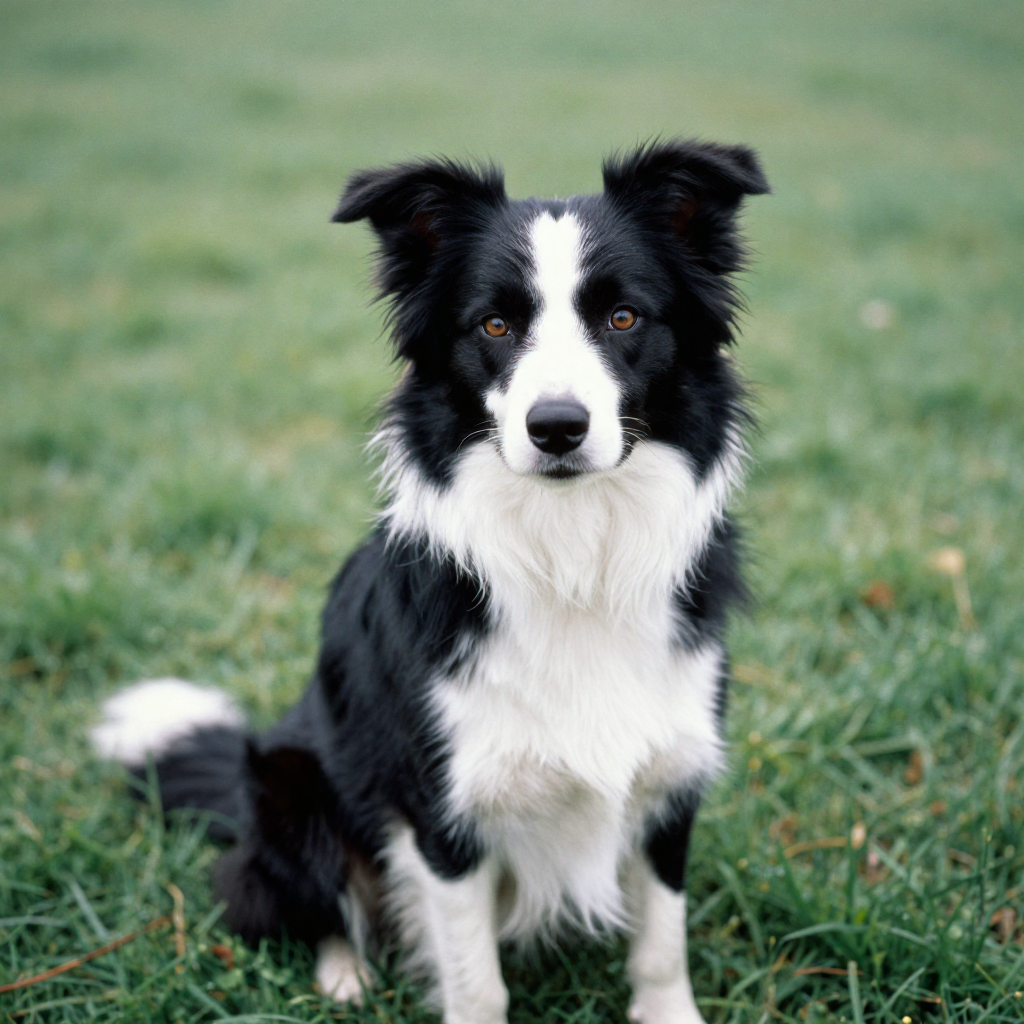
Border Collies are expectation based and institution based. You leave him chewing up when you see that you are not aware, either day by day, how it is, what the orders are, or whether the rules are obeyed. It makes one feel frustrated by confusion – and frustration usually leads to hyperactivity. And one day you can get on the couch, and then the next day you scold your Border Collie, and then you will have your Border Collie that does not know what good and what bad is.
Tips to Build Routine and Structure:
- Establish a schedule in the form of walks, meals, and training sessions.
- Implement the short training sessions, which are used on a daily basis, and not long and irregular sessions.
- Use the same verbal expressions (ex, sit, not sit down).
- Praise only quiet and desperate behavior.
Family Consistency Matters: The same rules should be applied by all the members of the family. When one individual allows the dog to tame over table scraps and the other one admonishes them, then it is retrogressive. When you are on one side, the training is easy to understand and assists your Border Collie in establishing a consistent and boring routine of behavior.
4. Too Much Freedom Too Soon
The urge to hand over a cute Border Collie the keys to the house or to play with it off-leash is strong at the beginning of the relationship — however, a lot of freedom is a slippery slope. Unless trained, with no boundaries and no impulse control, your dog may develop such habits as car-chasing, herding people, or causing havoc at home.
Introduce Freedom Gradually:
Begin simple – a small room to start with, planned outings, and a shorter leash off in an area with good supervision. Recognize scenario exploration and repurpose enthusiasm before it goes-round. The liberty must be attained by acting, rather than being presupposed.
Why Crate Training Helps: Crate training is not a crating issue but rather a question of providing a safe and comfortable place in which your Border Collie will be moved. Used properly, crates help:
- Reduce overstimulation and hyperactivity
- Prevent destructive habits while unsupervised
- Build independence and reduce anxiety
- Promote healthy sleep routines
A well-used crate becomes a restful retreat, not a punishment.
5. Reinforcing Hyperactive Behavior Without Realizing It
Numerous owners of Border Collies will end up giving rewards for hyperactivity without realizing it. Even eye contact or touching can be used to reinforce the behavior when the dog is jumping to get attention, barking to play, or spinning in excitement. Attention is a reward to your Border Collie (even negative), even though it may be unwanted.
Examples of Accidental Reinforcement:
- Petting when they jump up
- Throwing a ball to stop barking
- Laughing or engaging during zoomies
- Giving treats to calm frantic behavior
These responses teach your dog that being wild gets results.
How to Replace the Habit with Calm Behavior:
- Ignore jumping and only reward sitting or gentle greetings.
- Ask for a command (like sit, down, or place) before play or treats.
- Reward calm eye contact and relaxed posture.
- Use positive reinforcement after the calm behavior, not before.
Over time, your Border Collie will learn that calmness leads to what they want, and hyperactivity does not.
Conclusion
A Border Collie won’t have a personality flaw of hyperactivity; it is more likely to have developed because of some unmet needs or other training failures. These genius dogs do not just want to be exercised casually, but like structure, mental stimulation, and well spaced boundaries. With the help of the above-outlined five pitfalls to avoid and the development of a considerate routine, you can make your Border Collie act in a calm and confident way.
A Border Collie is a good companion, a diligent and happy learner, a devoted companion. Being patient, engaging, and approaching it in a proper way, you will discover the potential of this wonderful breed.
For more info: Click Here.
FAQs
1. What do I do to get a hyper Border Collie to calm down?
Test both exercise and mind at the same time – a 10-minute session of obedience or puzzle game usually relaxes them instead of running. Relaxing can also be taught with the help of the settle or place commands.
2. How much does a Border Collie need to exercise?
On the one hand, an average adult Border Collie has to have a certain amount of physical activity and mental stimulation, which is about 1.5 to 2 hours. The sessions that the puppies are going to take should be brief ones, considering that they cannot be overworked.
3. Do Border Collies learn to stop being hyperactive?
The hyperactivity is normally fixed through proper training, structure, and enrichment, but it will remain an energetic animal. Through regular training and meaningful work, the majority of Border Collies become easy going once they grow.